Friday, October 13, 2006

Caramore’s 2006 Client Celebration

Read the Chapel Hill News article on the event!

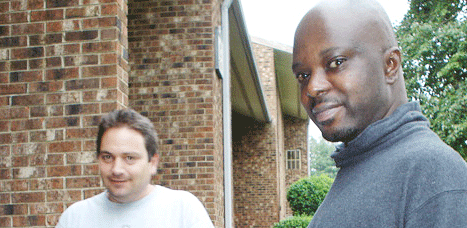
Caramore held its annual client celebration event last night. Noted author Lee Smith was the highlighted guest speaker and delivered a moving recitation concerning her deceased son who participated in the Caramore program several years ago.


The activities were attended by many past and present clients of Caramore, as well as some of their family members, local employers, friends, and health care professionals who work in tandem with Caramore staff.


The theme of the evening centered around the many profound benefits that people with mental illness have achieved through the simple act of being able to work.


Many of the Caramore clients told moving stories of how Caramore had changed their lives and enabled them to reach goals they had previously given up on.


The stories evoked a vast array of emotions from everyone, from tears to laughter, as all the clients shared their personal pains and accomplishments for all to celebrate.


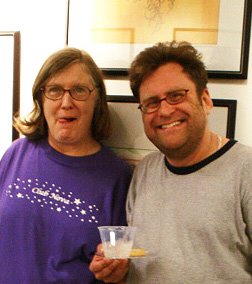
Cake and punch were served as the guests mingled, exchanged stories, hugged, and felt better about the brighter possibilities in their lives ahead.

B. Shanley


Friday, September 22, 2006

Caramore’s 2006 Client Celebration Features Lee Smith

Caramore’s 2006 Annual Client Celebration will feature local, award-winning author, Lee Smith. Taking a break from her fall book tour, Smith will speak from first-hand experience in her talk The Working Man: How Caramore Helped My Son.

Join us as we listen to Lee Smith and celebrate the many accomplishments our clients have made over the past year—followed by a cake and punch reception.

7:00 PM
Thursday, October 12, 2006
Chapel Hill Bible Church
260 Erwin Road
Chapel Hill, NC

We hope to see you there. Please call us with any questions about the event at 919-967-3402. For more information on Lee Smith, please visit her website at www.leesmith.com

Thank you.

We appreciate all of the recent donations

When you donate to Caramore, you keep individuals out of hospitals, and in their communities—where they work, contribute to society, and begin to enjoy their lives again. We at Caramore feel good about that, and you should too. Your gifts make a difference in the lives of real people.

Caramore Community, Inc. is a 501(c) (3) private, not for profit organization and your valuable donation is fully tax deductible. We currently accept donations though the mail at our office address:

Caramore
550 Smith Level Road
Carrboro, NC 27510
919-967-3402


Please call us anytime with questions, and thank you again.

Wednesday, September 20, 2006

How lives get better around this place


The strength of the Caramore program is the length our staff goes to try and improve a client’s life. When we get evaluated as a facility periodically by Carf, they are always impressed by our “anything it takes” mindset to improve a client’s life.

But what is it to improve a client’s life?

Certainly all of our client’s are different and need to be evaluated differently. But we examine the following:

  • The illness. First and foremost our client’s mental health treatment is paramount—this includes all prescribed psychiatric care.
  • Overall health. Caramore believes that a sick body needs all the help it can get in adapting and gaining some equilibrium around deficiencies. We do not preach a cure for mental illness; rather, we encourage the gradual move towards a healthier lifestyle—beginning long-term cumulative habits of doing more things right than wrong. We want clients to see the results of healthier choices in the way they feel.
  • A unique life. What are the particular circumstances of a client’s life? We know we have to work on practical survival stuff like working and bill paying, but how can we help them enjoy their life? What are the obstacles holding them back? How can we help them handle difficulties and frustrations? How can we help them be more adaptable? Do they have a good mix of interests?—neither being excessively active or inactive in any one thing? Are we paying attention to the dreams they had before they got sick? What are their dreams and motivations now?

This final category is very complicated and we as staff do not always agree on how to help facilitate a better life.

It can be very frustrating trying to rouse motivations and see progress amid mental illness, the complicated baggage of a life lived, experiences, family relationships, permanent delusions, immaturity, substance abuse, terrible decision making, dependency, sometimes learning disabilities, worsening of symptoms, and the trial and error of psychiatric medication—it all can seem overwhelming!

But that’s the nature of what we deal with. We have a remarkably long-term staff that prides itself on being creative and trying many strategies to improve lives. We don’t want to give up on anyone!

D. Cooley

Tuesday, August 29, 2006

The restorative power of being involved

Hanging out at Weaver Street, Carrboro

The simple secret to Caramore is that we get people who are mentally ill, involved. We believe in the restorative power of being involved—in something, anything.

Being involved may mean having a job, or interacting with people, or solving problems. It may mean taking an art class or being in a book club or exercising, or even just eating a meal with others. It means facing issues and completing tasks and accomplishing goals—whether or not you’re fully successful. It means changing habits and maybe a lifestyle from doing almost nothing to doing a lot.

Moving around, keeping busy, and getting involved is living life. That’s about all there is to it. It’s the difference between remaining vital or decaying. Our brains and body desperately crave—and indeed require—new experiences and challenges; experiences and challenges that stimulate all of our senses, breaking the deadlock of inaction, inactivity, and monotony.

Getting out there and experiencing and living—with all the risk that that involves—is living, and can only broaden, better, and restore your health and improve your life.

D. Cooley